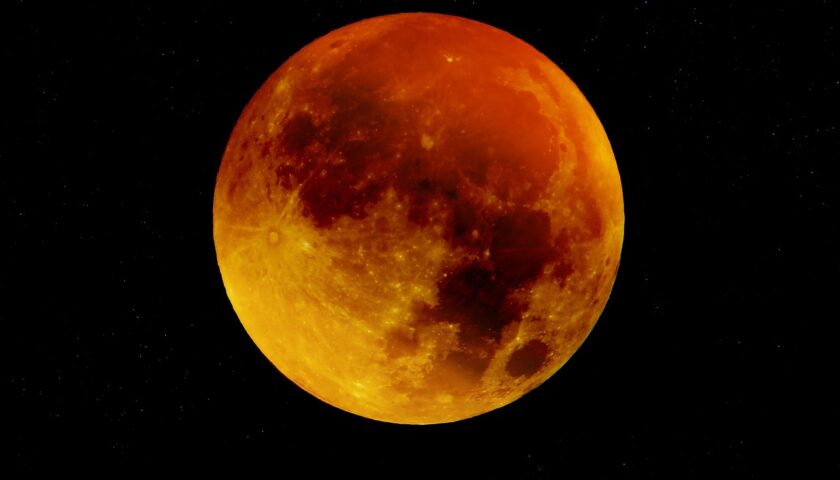

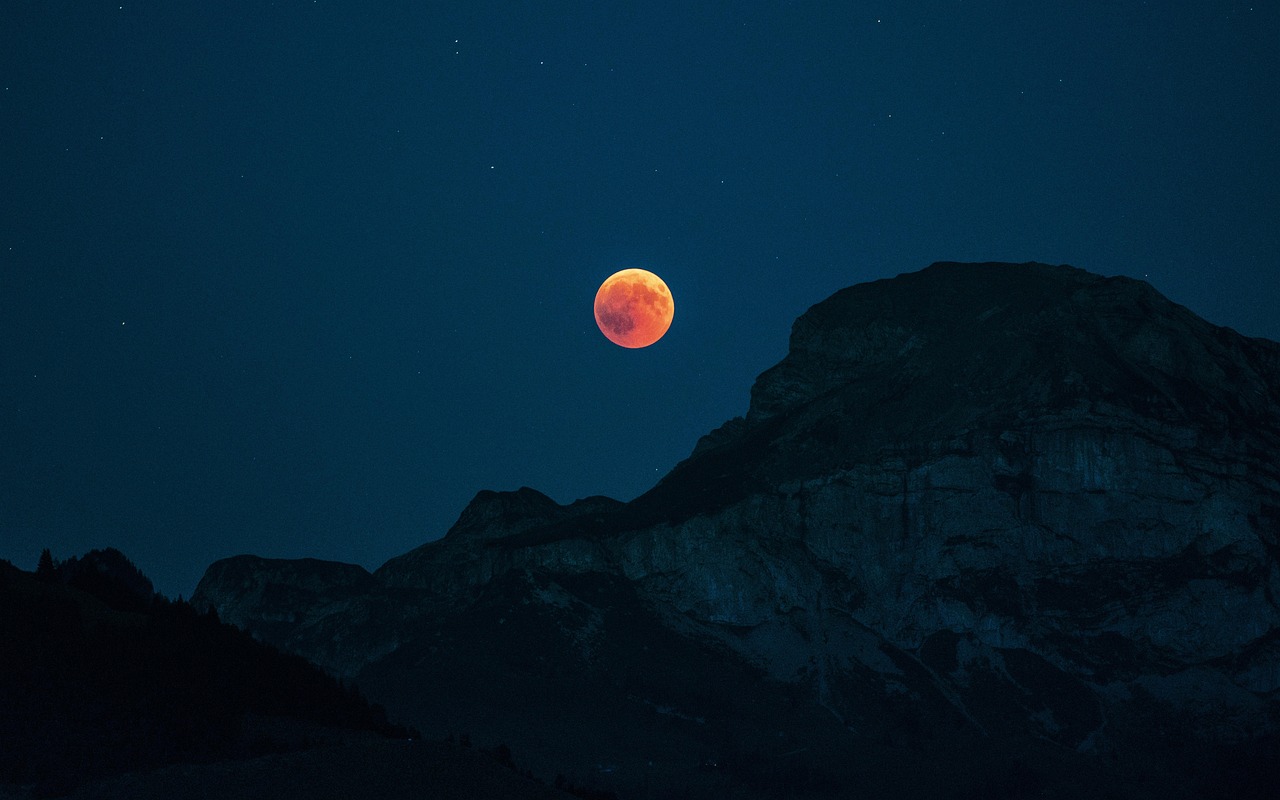
On the night of 7–8 September 2025, observers across India will be treated to a dramatic celestial event — a total lunar eclipse, commonly called a Blood Moon. During totality, the Earth’s shadow will completely cover the Moon, imparting a deep red or coppery hue to its surface and creating a stunning visual spectacle visible to the naked eye.
Why This Eclipse Is Special
- The totality phase will last for about 82 minutes, making this one of the longer total lunar eclipses in recent years.
- The Moon’s path will take it near the central portion of Earth’s umbral shadow while it is close to apogee, which contributes to the extended duration of totality.
- Because lunar eclipses are safe to view directly, this event is accessible to anyone with clear skies—no special eye protection is needed.
Timings (India Standard Time)
| Phase | Time (IST) |
|---|---|
| Penumbral Eclipse Begins | 8:58 PM |
| Partial Eclipse Begins | 9:57 PM |
| Total Eclipse Begins | 11:00 PM |
| Maximum Eclipse | 11:42 PM |
| Total Eclipse Ends | 12:22 AM (Sept 8) |
| Partial Eclipse Ends | 1:26 AM |
| Penumbral Eclipse Ends | 2:25 AM |
Where and How to Watch
The eclipse will be visible across India, from cities to rural areas, weather permitting. For the best viewing experience:
- Pick an elevated, open location with minimal light pollution—rooftops, parks, or countryside are ideal.
- No protective eyewear is required; viewing with the naked eye is safe.
- Binoculars or a small telescope will reveal lunar surface details and enhance the view but are not necessary to enjoy the phenomenon.
Scientific Explanation
The Moon appears red during a total lunar eclipse because sunlight passing through Earth’s atmosphere is refracted and scattered. Shorter blue wavelengths scatter out, while longer red and orange wavelengths bend toward the Moon and illuminate it from within Earth’s shadow, producing the characteristic crimson color.
Cultural and Traditional Observances
In many Indian traditions, lunar eclipses are observed with special customs. A period of observance often begins several hours before the eclipse and continues until it concludes. People may avoid starting new tasks or eating during this interval, and some perform cleansing rituals or prayers after the eclipse has ended.
Photography Tips
- Use a tripod to keep your camera steady during long exposures.
- Experiment with exposures from a few seconds to tens of seconds depending on the moon’s brightness and your focal length.
- If you have a DSLR or mirrorless camera, try manual focus on the Moon and bracket exposures to capture both the darkened and brighter phases.
Conclusion
The total lunar eclipse of 7–8 September 2025 offers a rare and memorable sight: a deep red Moon hanging in the night sky. Whether you watch for scientific interest, cultural reasons, or simple wonder, this Blood Moon promises to be a spectacular and widely visible event across India.